Why Diets Keep
Failing Us
It’s not lack of willpower. It’s a mismatch between extreme diets and real life. Sustainable results come from strategies that work with your body and your lifestyle – not against them.
- October 5, 2026
- 5 mins read
Why most diets don't work long term
Diets fail not because you're weak, but because they're built on the wrong foundations.
They focus on restriction, not results
They ignore your individual needs
They're not realistic for real life
They overpromise and underdeliver
They overlook the mind and habits
They don't build sustainable habits
What actually works
-
A flexible approach that fits your life
-
Nutrition that supports your body, not fights it.
-
Movement you enjoy and can maintain
-
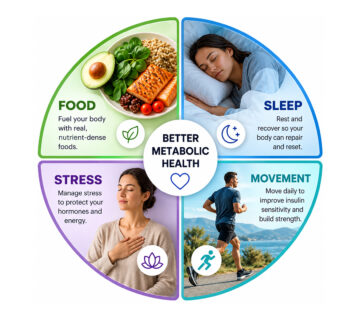
Better sleep, stress managemnt and daily habits
-
Consistency over perfection
Questions to consider
-
Am I following a plan I can realistically stick to?
-
Does this diet fit my lifestyle, work, family and social life?
-
Am I focusing on long-term habits or just short-term results?
-
Do I feel deprived, restricted or constantly thinking about food?
-
Am I addressing stress, sleep and movement - or only food?
-
What small change could I make today that I can build on?
If you’ve ever started a new diet feeling motivated, seen some early results, and then found yourself back where you started months later, you’re not alone. The problem is often not simply a lack of willpower. Many diets are built around restriction, rigid rules and short-term results rather than asking a more important question: can you realistically live this way long term? Research and clinical guidance increasingly recognise that successful long-term weight management requires an approach that can be maintained and adapted to the individual.
Your body isn't a simple equation
Weight and metabolic health are influenced by more than what you ate today. Your eating patterns, physical activity, sleep, stress, environment and individual circumstances can all play a role. Weight loss itself can also trigger changes in metabolism and hormones that make maintaining a lower weight more challenging. This is one reason I don't believe the answer is simply telling someone to “eat less and try harder.” We need to understand the whole person.
The best approach is one you can actually sustain
Different nutritional approaches can work for different people. The important question isn't necessarily “Which diet is best?” but “Which evidence-based approach works for you and can become part of your life?” Good nutrition shouldn't require you to constantly start again every Monday. It should take into account your health, preferences, lifestyle and goals, while helping you develop habits you can maintain. Guidance on successful weight-management programs similarly emphasises individualisation, realistic goals, behavioural support and a plan for maintaining changes over time.
Stop chasing perfect. Start building sustainable.
Real change is rarely created by a 30-day challenge or another set of food rules. It comes from consistently working on the fundamentals: nourishing your body well, moving regularly, prioritising sleep, managing stress and understanding the behaviours that influence your choices. Setbacks are also part of the process—not proof that you've failed. The goal isn't to find the perfect diet. It's to build a healthier way of living that you don't constantly need to escape from.
You don't need another quick fix. You need an approach that works with your body, your lifestyle and your long-term health.
Lasting results come from understanding your body - not fighting it.
Let's create a plan that works for your life and helps you build a healthier future.