Food, Sleep, Stress & Movement
Four pillars to healthy metabolism
Your daily habits work together. When one pillar is ignored, the others have to compensate – and your body pays the price.
- October 8, 2026
- 5 mins read
Why all four pillars matter
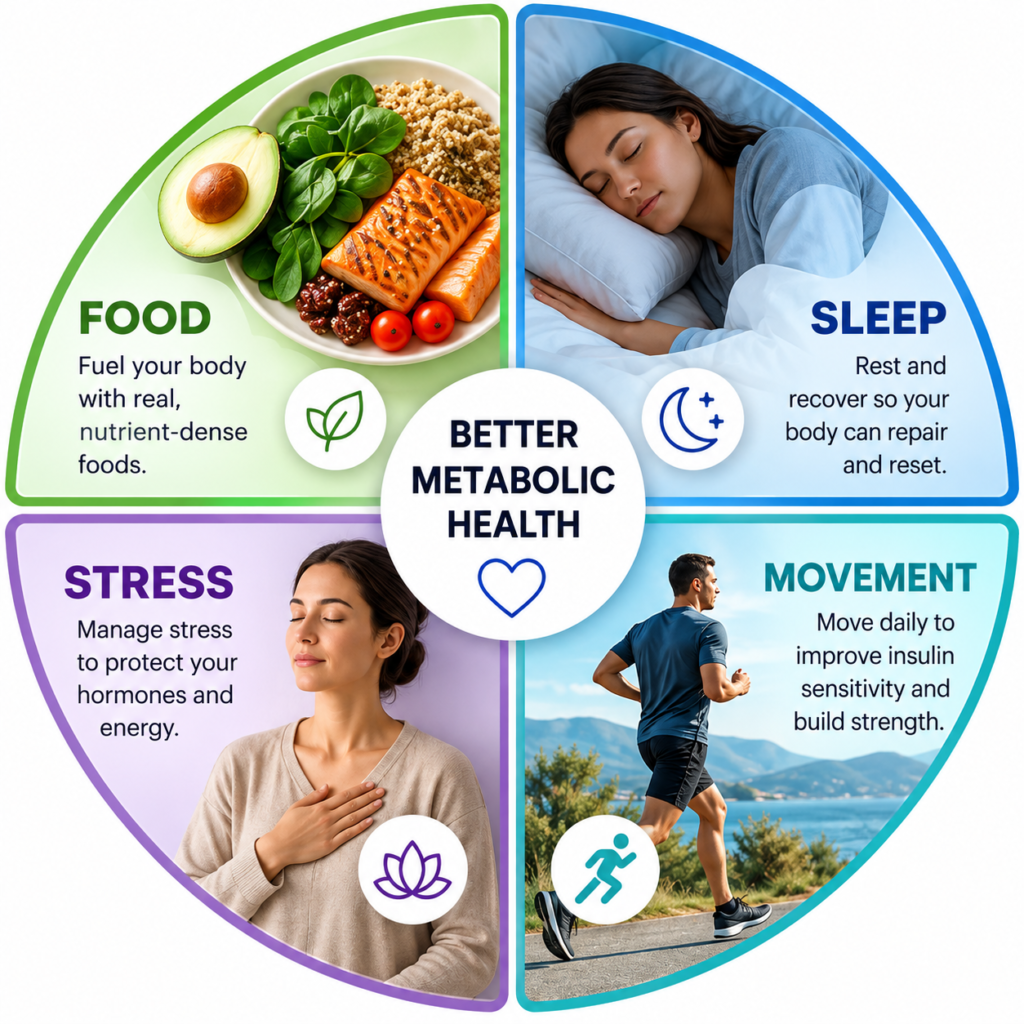
Habits in these areas influence your hormones, blood sugar balance, mood, energy, body composition and long-term disease risk.
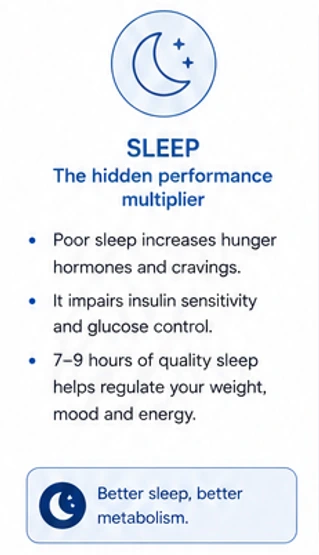
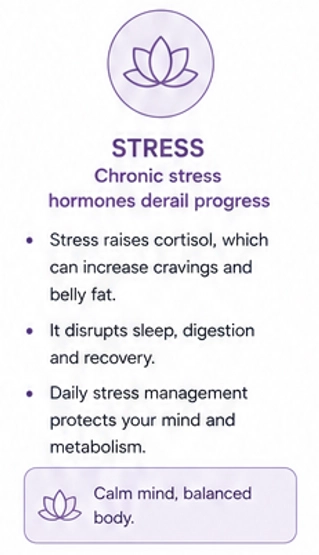
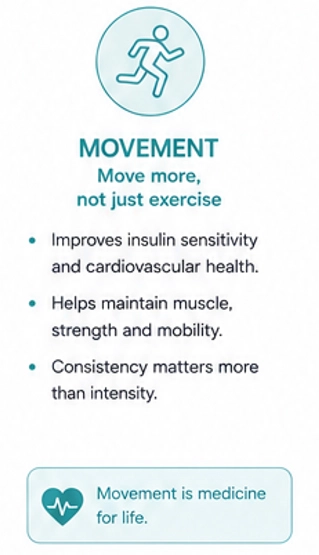
When people think about improving their health, food is often the first place they look. And while nutrition is incredibly important, it is only one part of the picture. Your sleep, stress levels and how much you move also influence your metabolic health. These areas don't operate in isolation — they continually interact. A poor night's sleep can affect appetite and food choices, stress can disrupt sleep and activity, and regular movement can support blood sugar regulation, sleep and overall wellbeing.
Food: Fuel your body well
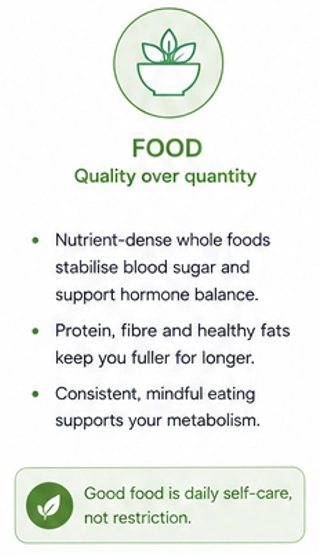
Good nutrition doesn't need to be complicated. A strong foundation starts with prioritising nutrient-dense foods and finding an eating pattern that works for your individual needs and lifestyle. Protein, fibre-rich foods, vegetables and appropriate sources of healthy fats can all form part of a balanced approach. Rather than focusing only on calories, I encourage people to think about the quality of the food they are using to fuel their body and how those choices make them feel.
Sleep & stress: The often-overlooked pieces
We often sacrifice sleep when life gets busy, yet sleep plays an important role in metabolic health. Insufficient sleep can affect glucose metabolism, appetite regulation and the hormones involved in hunger and satiety. Stress matters too. While short periods of stress are a normal part of life, prolonged stress can influence sleep, eating behaviours and other lifestyle choices. Managing stress isn't about eliminating it completely — it's about developing strategies that help your body and mind recover.
Movement: You don't have to live in the gym
Regular physical activity can improve insulin sensitivity, cardiovascular fitness, strength and overall health. And movement doesn't have to mean punishing workouts. Walking, resistance training, taking the stairs, playing sport or simply spending less of the day sitting all count. The best form of movement is one you enjoy enough to keep doing. Consistency will take you much further than an intense routine you abandon after a few weeks.
Bringing it all together
This is why I believe in looking at the whole person, not one isolated problem. Food, sleep, stress and movement are four powerful areas we can influence, and you don't have to perfect all four at once. Start by identifying where you are today, choose the area that needs the most attention and make one realistic improvement. As that becomes part of your life, build from there. Small daily choices, repeated consistently, can create meaningful change over time.
A few questions to ask yourself
-
Am I eating mostly whole, nutrient-dense foods?
-
Am I getting 7-9 hours of quality sleep most nights?
-
What level of stress am I carrying, and how do I cope?
-
How often do I move my body each day?
-
Which pillar am I neglecting most?
-
How do these four areas impact my energy, mood and health?
-
What's one small change I can make this week to support all four pillars?
-
Do my daily habits support the person I want to become?
Small daily choices in these four areas create big changes over time.
Balance these four pillars. Transform your health.
Personalised coaching to understand your body, build healthy habits and create lasting results.