The Truth About
Ultra-Processed Foods
Not all processed foods are the same. Understanding the difference between processed and ultra-processed foods is one of the most important steps you can take for your metabolic health.
- October 4, 2026
- 6 mins read
-
What are ultra-processed foods? Ultra-processed foods (UPFs) are industrial formulations made using refined food substances and ingredients or additives that you wouldn't commonly use when cooking at home Examples include packaged snacks, soft drinks, instant meals, sweetened cereals, mass-produced breads, many breakfast bars and confectionery.
-
Why does this matter? When ultra-processed foods make up a large part of your diet, they can displace more nutrient-dense whole foods and are often designed to be highly convenient and palatable. Research has linked higher intakes of ultra-processed foods with an increased risk of conditions such as type 2 diabetes, obesity and poorer cardiovascular health.
-
The impact on your metabolic health A diet high in ultra-processed foods can make it harder for your body to regulate blood sugar, insulin and appetite. Over time, this can contribute to weight gain, low energy, constant cravings and an increased risk of chronic disease.
-
It's about progress, not perfection The goal isn't to eliminate every packaged food. It's about becoming more aware, making more whole and minimally processed food choices, and building habits that support long-term health. Small, consistent changes add up.
Questions to consider
-
How much of what I eat each day comes from a packet, box or ready-made meal?
-
Could I recognise most of the ingredients if they were sitting individually in my kitchen?
-
Am I eating enough vegetables, whole foods and quality sources of protein?
-
Do convenience foods regularly replace meals I could prepare from basic ingredients?
-
When I shop, am I looking beyond the marketing claims and actually reading the ingredients?
-
What is one ultra-processed food I regularly eat that I could swap for a simpler alternative this week?
Walk through almost any supermarket today and you’re surrounded by food designed for convenience. Packaged snacks, soft drinks, instant meals, sweetened cereals and many ready-to-eat products have become a normal part of modern life. But there is an important difference between a food simply being processed and being ultra-processed. Frozen vegetables, natural yoghurt or canned beans, for example, have been processed but can still be nutritious foods. Ultra-processed foods (UPFs), on the other hand, are generally industrial formulations made using refined food substances and ingredients or additives that you wouldn't commonly use when cooking at home.
Why does this matter?
The concern isn't about eating a biscuit or takeaway meal occasionally. It's what happens when ultra-processed foods begin to make up a large proportion of our everyday diet. These foods can displace more nutrient-dense whole foods and are often designed to be highly convenient and palatable. Research involving almost 10 million people found that greater exposure to ultra-processed foods was associated with a range of poorer health outcomes, with particularly notable associations involving type 2 diabetes, obesity, cardiovascular health and overall mortality. Importantly, much of this evidence is observational, so association does not always mean that ultra-processed foods alone caused these outcomes.
What does this have to do with metabolic health?
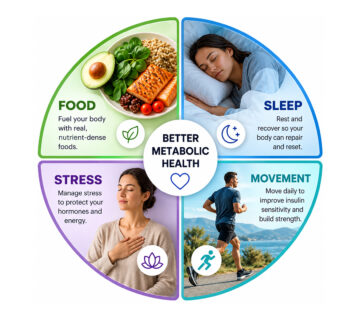
Your metabolism is constantly responding to what you eat, how much you move, how well you sleep and many other aspects of your lifestyle. A dietary pattern dominated by ultra-processed foods can make it harder to build the foundations of good metabolic health—particularly when those foods replace vegetables, fruits, legumes, quality proteins and other minimally processed foods. Higher UPF consumption has also been associated with greater long-term weight gain and risk of overweight and obesity.
The goal isn't perfection — it's awareness
You don't need to fear packaged food or remove everything processed from your kitchen. Start by becoming curious about how much of your diet comes from foods close to their original form. Cook from basic ingredients more often, prioritise whole and minimally processed foods, and read ingredient lists rather than relying solely on the claims on the front of the packet. Better metabolic health isn't created by one “perfect” meal—and it isn't destroyed by one imperfect one. It's the pattern of choices you make consistently over time that matters.
You don't need to overhaul your entire diet tomorrow. Start by understanding what's on your plate — because awareness gives you the power to make a different choice
Ready to take control of your health?
Get personalised guidance and discover what your body needs to thrive.