Insulin Resistance Explained
Understanding what insulin resistance is, why it matters, and what you can do about it.
- September 30, 2026
- 5 mins read
Why It Matters
Insulin resistance is linked to weight gain, fatigue, increased cravings. high blood pressure, abnormal cholesterol and fatty liver disease.
Often Silent
It can develop for years without obvious symptoms. Regular health checks can help identify risks early.
You Can Improve It
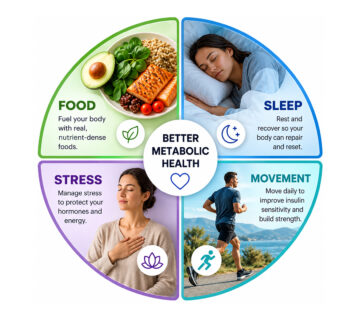
Nutrition, movement, sleep, stress management and losing excess body fat can all improve insulin sensitivity.
Small Changes Add Up
Consistent, sustainable habits today can protect your long-term metabolic health and quality of life.
What is it that makes Insulin so important to your health
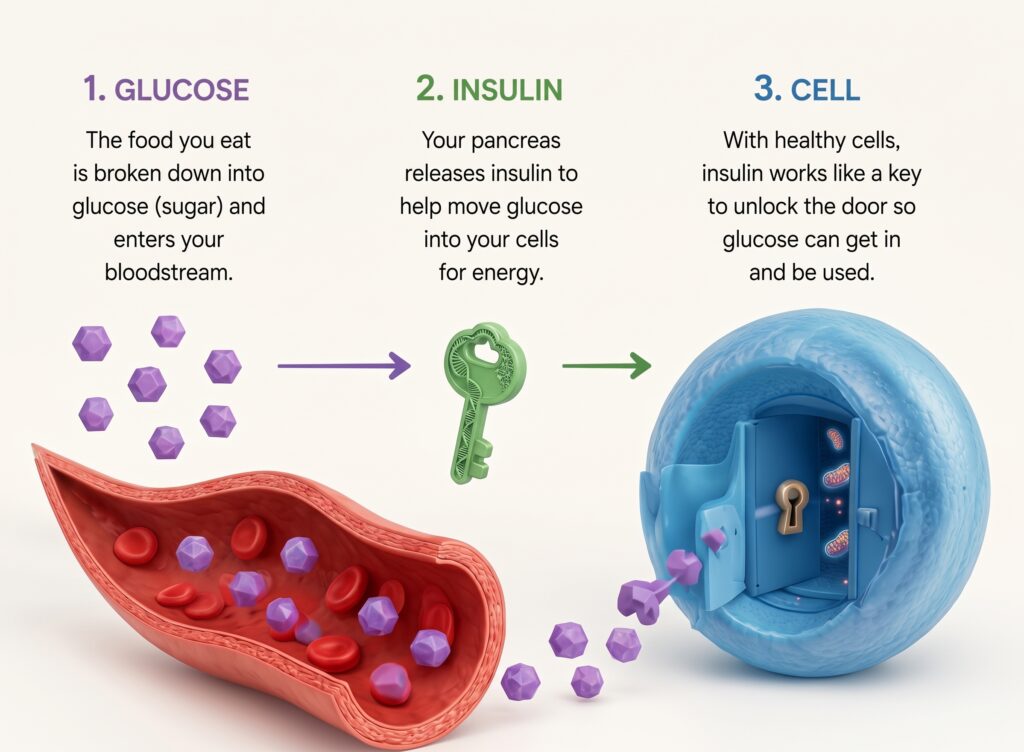
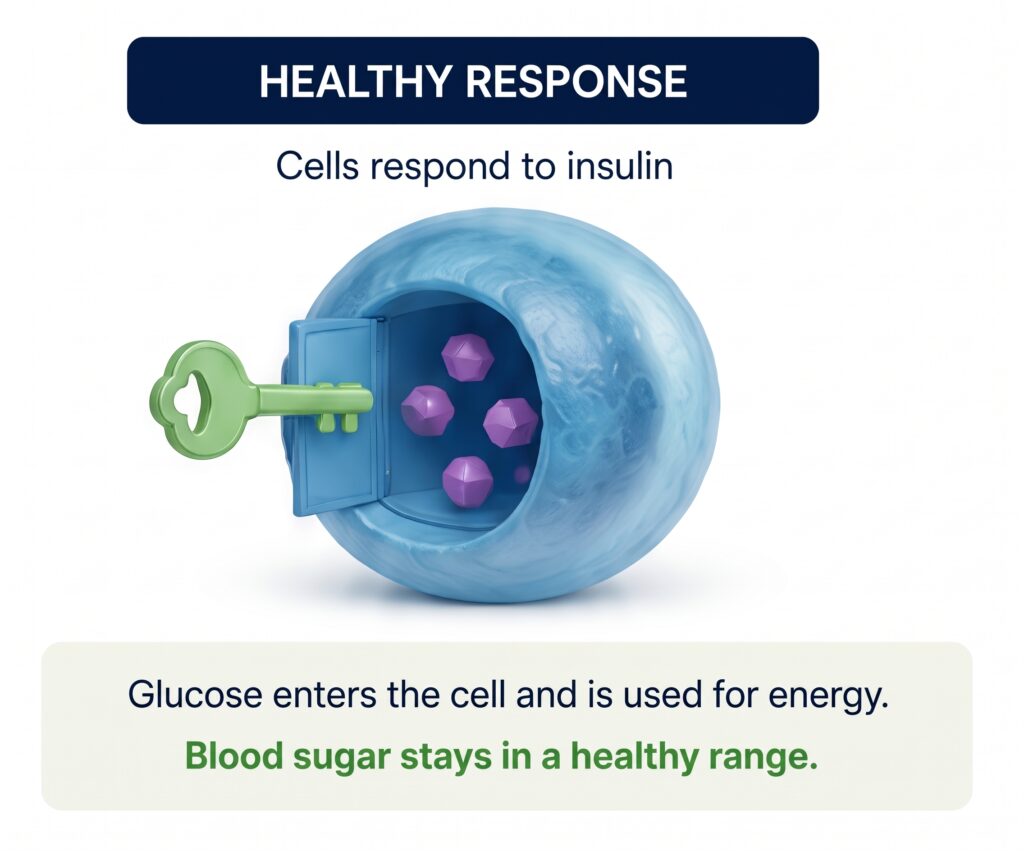
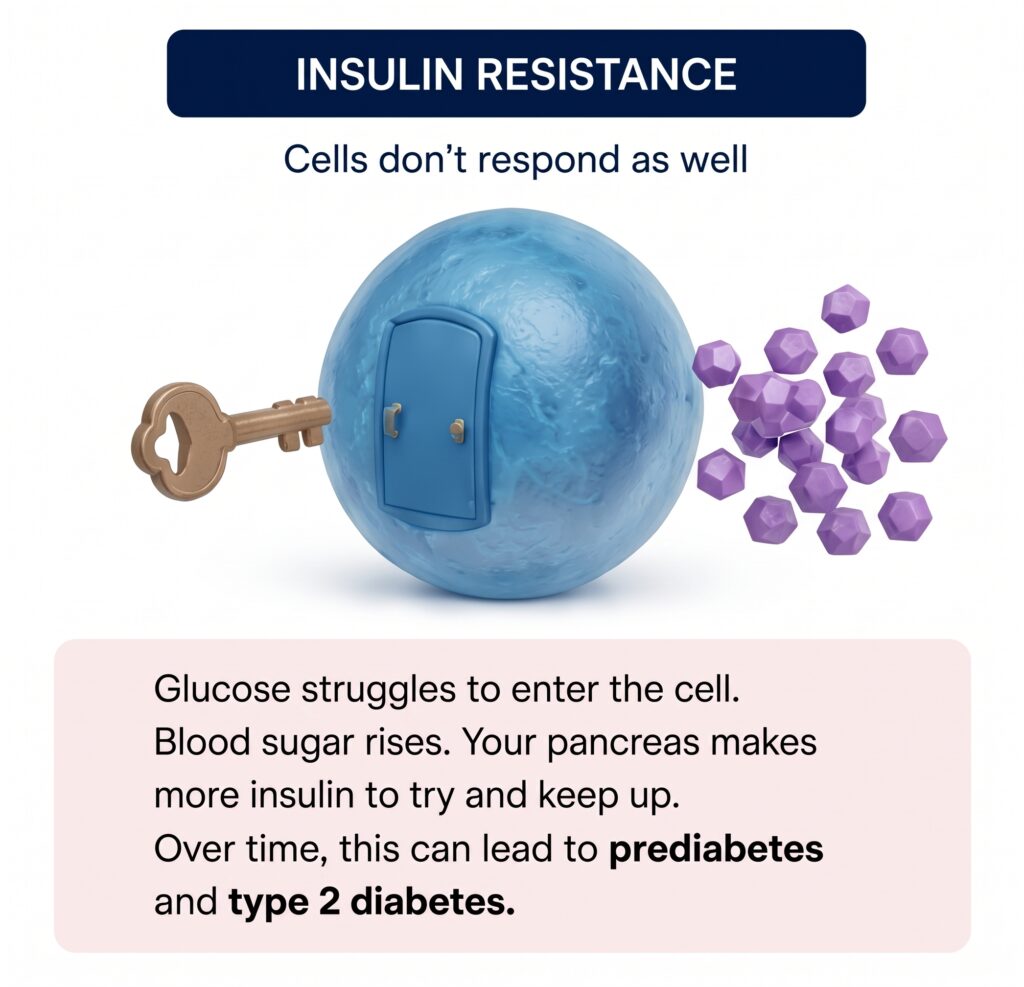
Insulin resistance is a term we hear more and more, but what does it actually mean? Insulin is a hormone produced by your pancreas that helps move glucose from your bloodstream into your cells, where it can be used for energy. When your cells become less responsive to insulin, your body has to work harder to keep blood sugar under control. The pancreas responds by producing more insulin — and for some time, your blood glucose may still appear relatively normal.
Why does insulin resistance matter?
Over time, your body may struggle to keep compensating. Blood glucose can begin to rise, potentially progressing to prediabetes and eventually type 2 diabetes. Insulin resistance is also associated with other metabolic health concerns, including increased waist circumference, high blood pressure, abnormal cholesterol and triglyceride levels, and fatty liver disease. This is why I believe we need to think about metabolic health before a diagnosis gives us a reason to pay attention.
Would I know if I had it?
This is where insulin resistance can be challenging — it often has no obvious symptoms. You might feel reasonably well while changes are happening beneath the surface. Rather than trying to diagnose insulin resistance yourself based on symptoms, speak with your healthcare professional about your individual risk and whether tests such as fasting glucose or HbA1c are appropriate. Risk can be influenced by many factors, including family history, age, physical activity, body composition and certain health conditions.
The good news: your lifestyle matters
Insulin resistance isn't simply a story of what has gone wrong — it's also an opportunity to act. Nutrition, physical activity, weight management where appropriate, and getting enough sleep can all form part of improving metabolic health. Physical activity is particularly powerful because it can improve insulin resistance and other cardiovascular risk factors even independently of weight loss. You don't need to change everything tomorrow. Start by understanding where you are today, identify the areas you can influence, and build changes that are realistic enough to become part of your life.
A few questions to ask yourself
-
Do I understand my blood sugar or HbA1c results?
-
Do I have a family history of diabetes?
-
How much of my day is spent sitting?
-
Has my waist circumference or weight changed over time?
-
Am I eating foods that support stable energy and balanced blood sugar?
-
Am I getting enough quality sleep?
-
When was the last time I checked in on my metabolic health?
-
Am I proactive about my health - or waiting until something goes wrong?
Take control of your metabolic health.
Personalised coaching to understand your body, identify what's holding you back and create a plan that works for you.