Why do we need Metabolic Health Coaches?
Metabolic dysfunction is at the root of most modern health crises. Obesity, type 2 diabetes, heart disease, and insulin resistance are at record highs, yet the current healthcare system remains focused on treating symptoms rather than preventing disease.
More than 70% of deaths worldwide are linked to preventable chronic conditions. The science is clear – poor diet, inactivity, and metabolic dysfunction are driving this crisis, yet many people lack the knowledge or support to make meaningful changes.
Metabolic Health Coaches bridge this gap.
Trained in nutrition, physiology, metabolic science, behaviour change, and coaching psychology, they help people cut through the noise and take informed, consistent action towards better health. They don’t offer fad diets or quick fixes – because those don’t work.
Instead, they focus on real food, movement, quality sleep, and sustainable habit change to restore and maintain metabolic function. In a world clouded by food industry marketing, outdated dietary advice, and a backwards food pyramid, knowing what’s genuinely healthy has become a challenge.
Metabolic Health Coaches provide clarity, education, and personalised strategies – helping people reclaim control of their health and wellbeing. By shifting the focus from symptom management to true prevention, Metabolic Health Coaches are empowering people to build lifelong metabolic resilience – one choice at a time.
Rather than just treating symptoms, Metabolic Health Coaches address the root causes of metabolic dysfunction, guiding clients toward sustainable lifestyle changes that improve metabolic health. Unlike traditional healthcare, where practitioners diagnose and prescribe treatments, Metabolic Health Coaches empower individuals to take ownership of their health. Using evidence-based coaching techniques, they help clients make meaningful lifestyle changes that are personalised, effective, and sustainable.
Metabolic Health Coaches support their clients by:
- Reversing insulin resistance and stabilising blood sugar through tailored dietary strategies, helping prevent and manage conditions like type 2 diabetes.
- Reducing reliance on ultra-processed foods by guiding clients toward whole, nutrient-dense options that support metabolic function.
- Implementing sustainable movement and exercise routines that enhance insulin sensitivity, optimise fat metabolism, and improve overall energy levels.
- Prioritising sleep and stress management to support hormonal balance, regulate appetite, and improve resilience to daily stressors.
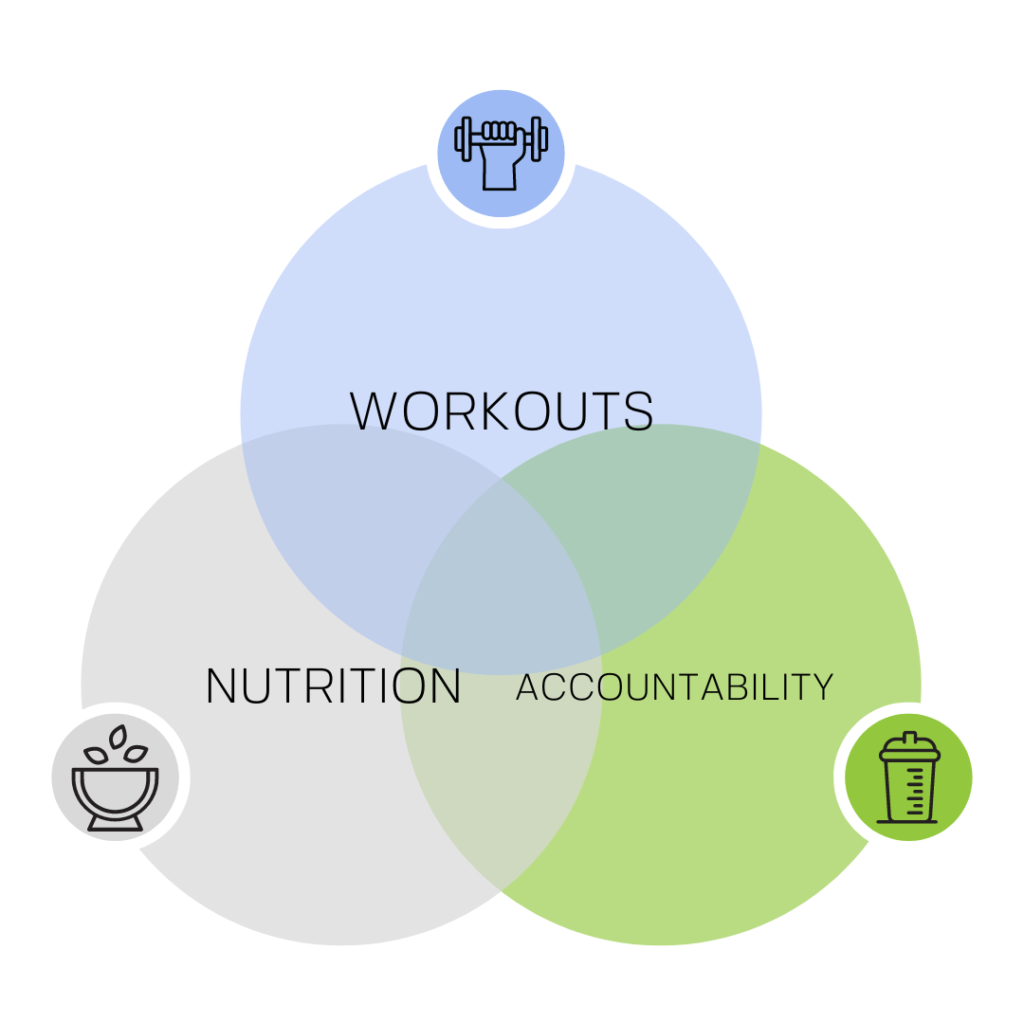
- Through education, accountability, and behaviour change techniques, Metabolic Health Coaches equip individuals with the tools they need to take ownership of their health and ultimately reducing the long-term burden of chronic disease.